

I employ a screen reader daily https://spellwin.eu.com/. Every time I check out a new casino, the first thing I consider is if I can navigate the full website without running into dead ends. Someone on a forum pointed out Spellwin’s clean layout, and I chose to determine for myself if that indicated a truly usable experience with JAWS or NVDA. I started with reasonable expectations because the majority of platforms handle accessibility as an secondary concern. Over an whole week, I put in real money, played slots and table games, got in touch with support, and underwent verification — all with my screen reader operating the whole time. What I encountered was a blended but usable site that merits a in-depth breakdown from someone who uses these tools, not simply a mark on a compliance checklist.
Running Slot Games Lacking Visual Feedback

I kicked off with Starburst because it’s common enough to serve as a benchmark. The game loaded in a new tab, and my screen reader indicated that. The loading progress indicator was silent, resulting in about eight seconds of quiet before the audio began. Once loaded, the spin button was findable and clearly labelled. Bet adjustment buttons reported new values right away. Autoplay settings were hidden but findable through thorough exploration. Slot results are naturally visual, so no amount of inclusive design can fully convey the symbol alignment, but the balance display updated after each spin and announced wins. I could figure out outcomes from the refreshed balance and paytable, even though I had to manually cross‑reference winning combinations.
Free Spin Feature and Free Spin Accessibility
Triggering a free spins feature led to a change without any screen reader announcement. I only noticed the balance wasn’t decreasing, which showed me the bonus rounds had commenced. The left count was shown on screen but not exposed as a live region, so I had to manually move to that element after every spin. Adding an ARIA live region to report “free spin three of ten” would resolve this gap. When the bonus ended, a total win notification was properly communicated, so the financial outcome was obvious even though the process stayed hidden. This pattern repeated across several slots, which indicates to a overarching omission rather than a game‑specific bug.
Banking and Transaction Accessibility
The cashier section can cause real financial harm if it’s not accessible. I made a deposit via debit card on Spellwin’s own domain, bypassing a redirect to a third‑party processor with varying standards. The card number field was a single input rather than the segmented pattern that confuses screen readers. Each digit was spoken, and the expiry and CVV fields used the same pattern. The deposit amount selector used labeled plus and minus buttons, with minimum and maximum limits announced on focus. The transaction history showed up in a properly marked data table with column headers, so I could move through cell by cell and confirm the date, amount, status, and reference on my own.
The withdrawal flow necessitated uploading identity documents, and the file upload button was properly labeled with accepted formats and sizes. Upload progress wasn’t communicated, but a success message appeared that my screen reader caught immediately. The entire banking section followed a consistent coding pattern, so I never faced a silent custom widget. For a blind user who must on their own verify every transaction, this level of markup is comforting rather than cosmetic.
Customer Support Accessibility Test
I started live chat with a question about bonus wagering to evaluate both the interface and the team’s knowledge. The chat widget appeared as an overlay and was announced. The message input field got focus immediately — proper practice. When I sent a question, the agent’s reply appeared in the history, but new messages were not announced as a live region. I had to manually navigate up through the log to view each response. The agent responded in about forty seconds with accurate details on the 35x wagering requirement and, when asked, offered a clear game contribution breakdown without escalation. The interaction was successful for information, but the chat interface’s lack of automatic announcements is a fixable technical issue. An email alternative exists and would likely work for users who prefer composing messages in their own client.
Responsible Gambling Tools and Account Settings
The responsible gambling section is highly essential, and all controls were accessible. Deposit limit fields were clearly labelled and validated; when I set a daily limit below my current deposit total, the error message was spoken and explained the conflict. Reality check timer settings used a dropdown that announced each interval as I arrowed through it. Self‑exclusion came with clear warnings, and the confirmation checkbox was keyboard‑accessible. Everything used standard form elements, so my screen reader never lost context.
Session Time Tracking and Logs
A minor detail I valued was the session timer in the account header. I could access it with a quick navigation command to check my current session in hours and minutes. That helps me maintain time awareness without a visual clock. The account history also logged every responsible gambling limit change with timestamps and status labels. Having an independently verifiable record of these settings gives me confidence that the platform takes player protection seriously, not as a checkbox exercise. I could review every limit adjustment without sighted help, which is vital for personal accountability.
Sections Where Spellwin Needs Development
I want to be candid about the gaps because accessibility testing must not ignore failures. The live casino remains fundamentally nonfunctional, and while video streams pose a technical challenge, a text‑based alternative reflecting bet options and outcomes is a reasonable accommodation. Bonus round announcements during slots are a significant gap; adding ARIA live regions for free spin counts and feature triggers would enhance the experience without a visual redesign. The chat interface needs a complete overhaul to support automatic message announcements and proper focus management. Live chat is often the only support channel outside business hours, and making it inaccessible effectively withholds support to blind users during those times.
Occasional focus traps occurred in modals where the close button couldn’t be reached via keyboard, requiring a page refresh. These were rare but frustrating. The game provider filter, while functional, would benefit from checkboxes instead of a single‑select dropdown, letting me combine providers. That would match industry‑standard pattern expectations. Overall, the issues concentrate around dynamic content announcements rather than fundamental structural barriers, which means they are technically solvable without a platform rebuild.
Interactive Casino and Table-based Experience
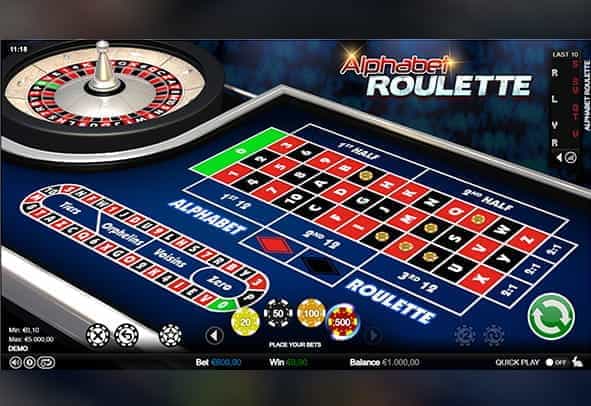
Real-time dealer games present a essentially distinct difficulty due to real‑time video streams. I tried roulette expecting significant barriers, and I was not let down. The video stream is entirely inaccessible—that’s understandable. The betting grid, however, could improve. Individual positions were not keyboard‑focusable, so I couldn’t place specific inside bets without sighted help. The chat function was technically usable but the message history did not auto‑scroll or declare new messages, rendering it impossible to follow dealer interactions in real time. This essentially bars blind users from the live experience beyond passive observation.
RNG-based Table Games as an Substitute
The RNG‑powered table games provided a significantly improved experience. I engaged with digital blackjack where every action button was clearly labelled. Deal, hit, stand, and double each had unique accessible labels, and my hand total was announced after each action. The dealer’s upcard was described in text I could locate manually, although it wasn’t pushed automatically. Chip selection used marked chip buttons, and the active chip value was verified on change. I went through an whole session without ever wondering what was happening, which is the standard that live games currently fail to reach. That renders the RNG tables the logical pick for screen reader users.
First Impressions and Registration Flow
The landing page loaded without a barrage of unlabelled graphics, which told me the developers had focused on semantic HTML. My screen reader announced the main landmarks plainly, and I went right to the sign‑up button with a simple keystroke. The form was a clear sequence of text fields, each appropriately tied to a label. When I deliberately left the date of birth blank, the inline error was announced instead of displaying as silent red text that would lock out a blind user. Spellwin sidestepped that trap completely. The show/hide toggle on the password field was labelled correctly — and that matters, because typing a complicated password without visual confirmation can lead to annoying lockouts. The checkbox for the terms of service announced its checked state distinctly, too.
The one small snag was the email confirmation: the verification link appeared quickly, but my email client marked it as promotional, forcing me to switch apps manually. That is not exactly Spellwin’s fault, though an SMS alternative would help anyone who considers email navigation cumbersome. All in all, I transitioned from landing page to a fully verified account in under eight minutes, which is speedier than my average across dozens of tested platforms. Every field used standard controls that my screen reader’s default mode detected, so I never had to disable the virtual cursor unexpectedly.
What Spellwin Gets Right That Competitors Miss
Even with the known drawbacks, Spellwin delivers a number of elements larger, better‑funded platforms fail to achieve. The registration form is genuinely accessible end to end, which is the most critical conversion point. I’ve abandoned sign‑ups on sites with ten times the marketing budget because their forms were not usable independently. The transaction history, displayed as a proper data table, shows attention to semantic HTML. Many casinos present data as styled divs that remain inaccessible to assistive tech, effectively hiding financial information from blind users. Consistent heading hierarchies let me build a mental model of each page in seconds, which is a sign of good information architecture.
The game info modals with proper focus trapping confirm someone on the development team knows dialog accessibility patterns. These are deliberate implementation choices, not accidents. The site also worked without forcing me to deactivate my screen reader’s virtual cursor or switch to focus mode unexpectedly, which shows that interactive elements use standard HTML controls rather than custom widgets that disrupt assistive technology. I can suggest Spellwin to a screen reader user with caveats, but I cannot state that about most competitors.
- Registration form is fully labelled with inline error announcements
- Transaction history displayed as a properly marked data table
- Game info modals capture focus and return it correctly on close
- Standard HTML controls maintain predictable screen reader behaviour
- Consistent heading hierarchy facilitates rapid page skimming
Portable Browser Accessibility Assessment
Repeating the test on an iPhone with Safari and VoiceOver demonstrated notable differences. The mobile site features a more streamlined navigation structure that boosted some aspects. The hamburger menu expanded with a clear announcement, and menu items were adequately grouped. Larger touch targets aided low‑vision users utilizing magnification alongside voice output. Slot games loaded in the same tab, which streamlined navigation for VoiceOver users who can get lost by multiple tabs. The deposit form operated identically to desktop, a credit to consistent responsive design.
The main regression was the live chat widget, which performed erratically with swipe gestures. I inadvertently dismissed the overlay multiple times because the focus order was out of sync with the visual layout. The mobile version also missed some advanced filtering options, which simplified browsing at the cost of diminished functionality. For quick sessions, I actually favor the mobile version because fewer elements result in faster navigation and fewer chances to get lost. The decision to omit desktop filtering on mobile felt intentional, not a bug, and it aligns with a streamlined assistive experience.
Exploring the Game Lobby via Screen Reader
The game lobby is the area where most accessible designs break down. Modern casinos love infinite scroll and hover‑triggered overlays that are unfriendly to keyboard‑only navigation. Spellwin uses a more traditional category layout with clear headings. I could jump between slots, live casino, table games, and new releases using heading navigation. Each game tile had an accessible name pulled from the title, so I heard “Book of Dead” instead of “image” or a garbled filename. The search function refreshed results as I typed and announced the match count, which let me avoid the grid entirely when I knew exactly what I wanted.
Category Filtering and Sort Options
The filter system is a notable feature. I could select a provider from a dropdown that announced each option as I arrowed through it. When I chose Pragmatic Play, the page refreshed and my screen reader confirmed the active filter at the top of the results region. Sorting options for alphabetical order, popularity, and release date all came with clear state announcements. Drag‑and‑drop reordering wasn’t accessible, but that was additional; the core browsing experience stayed intact without it. The controls were reliable and the announcements predictable, so I could filter the lobby efficiently.
Game Thumbnail Information and Focus Handling
A common irritation is the hover card that reveals game details only on mouseover. Spellwin partly solves this by putting a dedicated info button on each tile. Pressing Enter opened a modal with the game’s description, RTP, and volatility. The modal trapped focus correctly, so I could read all the details without accidentally tabbing into the background. Closing it returned focus to the info button I had selected — proper management that many mainstream sites still fail at. The only drawback was that the RTP value appeared as plain text rather than a tagged data point, so I had to depend on context to interpret the number.
Useful Tips for Accessibility Users at Spellwin
Should you choose to try Spellwin with a screen reader, employ heading navigation as your main browsing method. The page structure is coherent enough that you can skip directly to slots, table games, or promotions without navigating through intermediary content. Before launching any game, press the info button on its tile to read RTP and volatility details so you can decide wisely without relying on visual previews. Maintain your screen reader’s speech history open to check win amounts if you miss an announcement, and save the transaction history page for straightforward access to financial records.
- Use heading navigation (H key in NVDA or JAWS) to jump between lobby sections quickly
- Tap the info button on game tiles before launching to view RTP and volatility details
- Retain your screen reader’s speech history open to check win amounts if you fail to catch an announcement
- Save the transaction history page for direct access to financial records
- Choose email support instead of live chat if you deem the chat interface frustrating
- Activate the session timer in responsible gambling settings for silent time tracking
The search function is your most efficient path to specific games. Enter the name of the slot or table game directly; results change dynamically and the match count is spoken, so you’ll be aware immediately whether the game is accessible. For depositing, store your payment details in your account if you’re okay with that, because retyping sixteen digits through a screen reader is tedious even under perfect accessibility conditions. Lastly, submit any barriers to support. The higher the number of users who detail specific issues, the greater the chance the development team is to address fixes. Your feedback immediately shapes the backlog of a platform that has previously more accessibility awareness than most.